How Horror Became the Box Office’s Most Bankable Genre in 2026

If you ever want to make a quick fortune in Hollywood, forget spending millions on a caped superhero and just go film a terrifying night in an abandoned house.
Horror films in general have always been seen as a sure fire box office success, with one reason being how little they cost to make. For example, Marina Hyde said on The Rest is Entertainment podcast that Blumhouse Atomic Monster, one of the leading horror film studios, tries not spend more than $20 million on a film's budget (there are exceptions such as Five Nights at Freddy's 2 which reportedly cost $36 million to make).
But in 2026, we're seeing the genre not just earn money, but make up a large portion of the box office.
As per Deadline, films from the merged studio Blumhouse Atomic Monster have grossed $1 billion at the worldwide box office, making it the third time in four years the studio has achieved this feat.
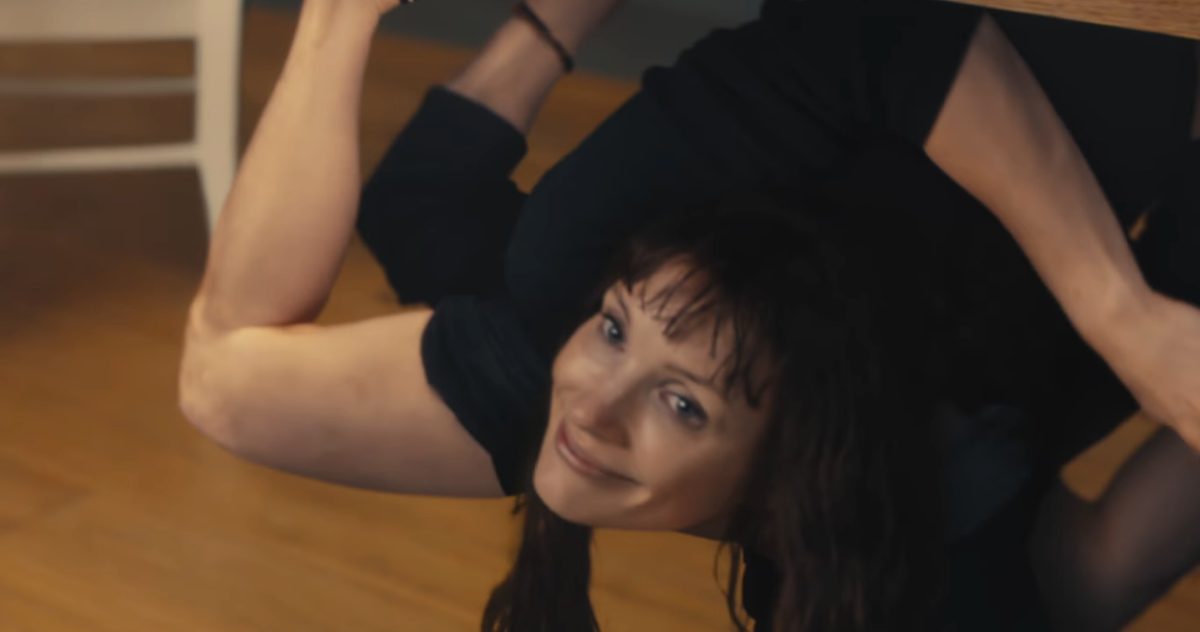
But with more films from the studio still to release this year - including Other Mommy, starring Oscar winner Jessica Chastain - as well as other potential hits such as Resident Evil, this could be a record breaking year for horror.
So, how did a genre built on cheap thrills end up completely taking over the big screen?
The $1.3 Billion Breakdown: 2026’s Big Five
What makes 2026’s terrifying run so remarkable isn't just the volume of ticket sales, it's the variety of films being made. From original concepts, internet lore, legacy slashers, and supernatural monster features, these different types of horrors have all found varying degrees of success. According to Box Office Mojo, these are the five biggest horrors of the year.
- Obsession ($505 million+ global): The undisputed heavyweight of the year. It became one of the most profitable movies ever released, proving that a brilliant concept can beat a massive marketing budget.
- Backrooms ($394 million global): 21-year-old creator Kane Parsons turned an internet sensation into an A24 blockbuster, showing just how fast digital lore can translate into serious multiplex money.
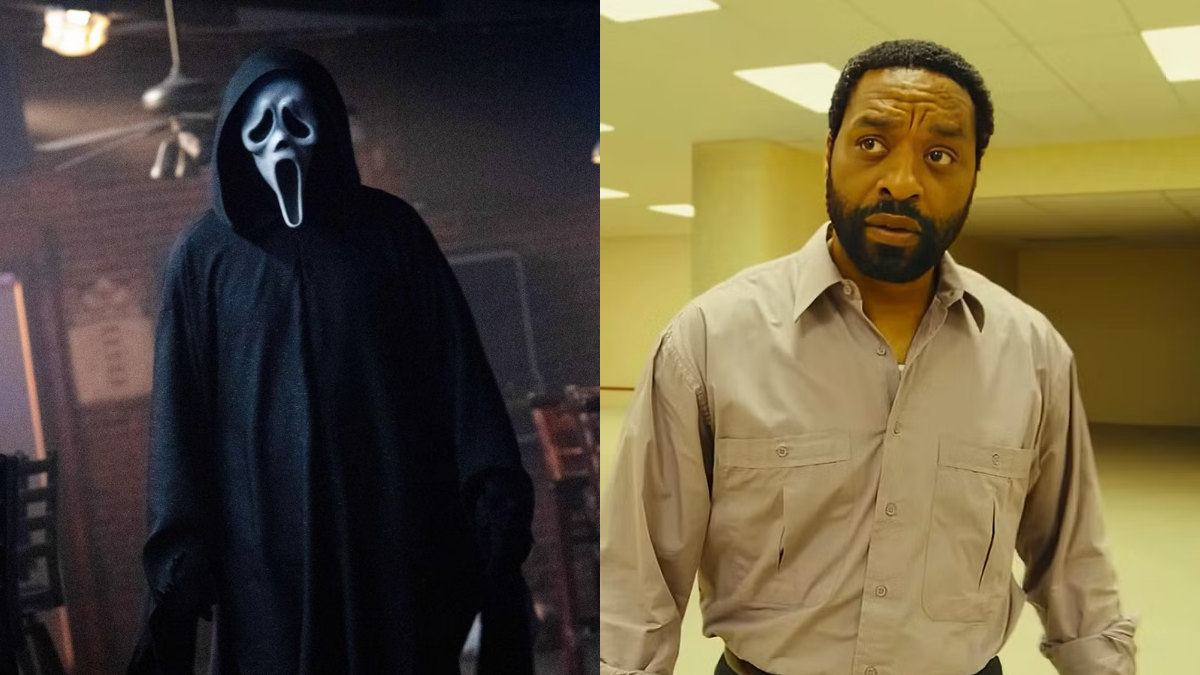
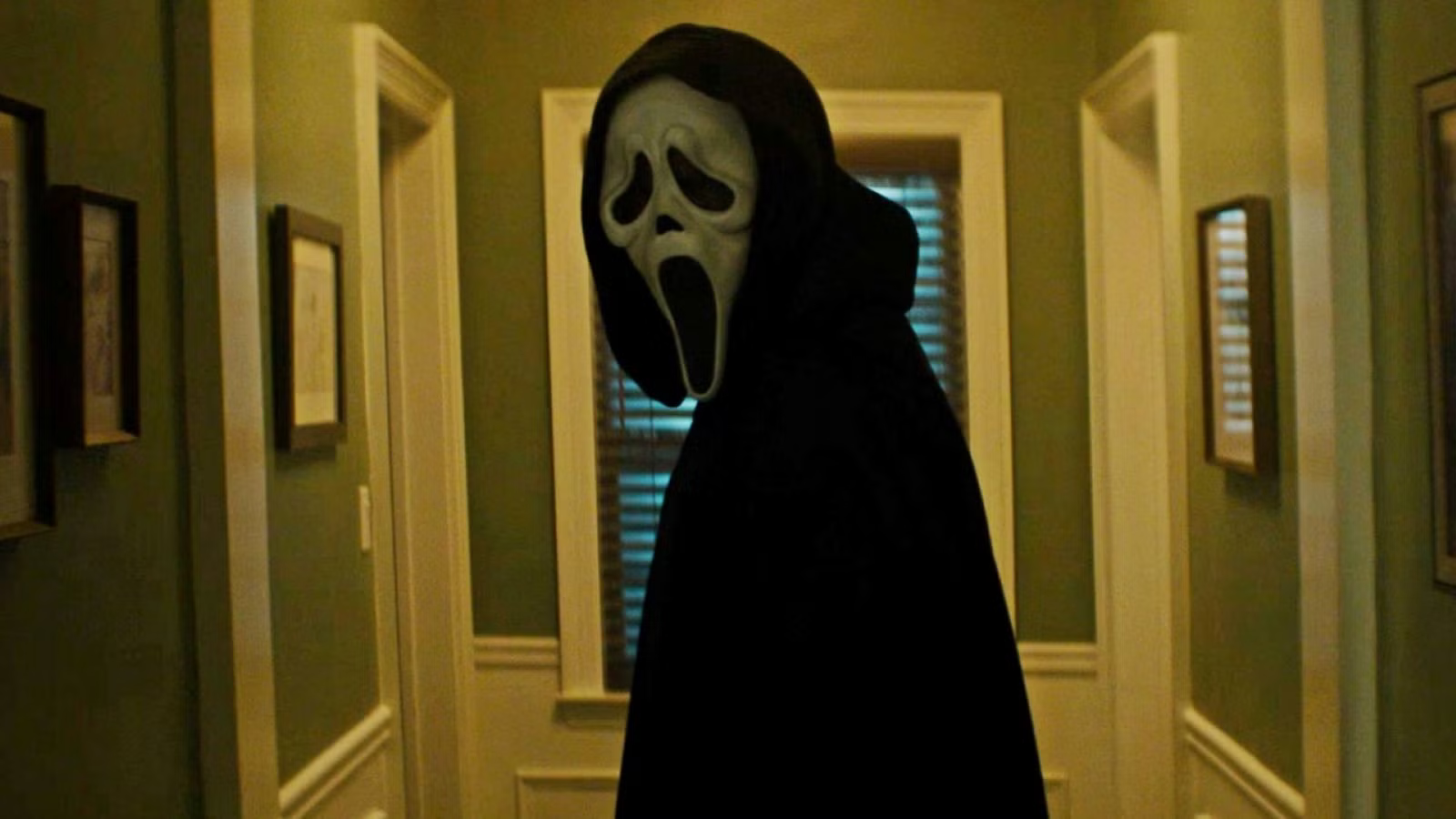
- Scream 7 ($208 million global): Proved that legacy slasher franchises still command massive global theatrical draw when given the proper big-screen treatment.
- Insidious: Out of the Further ($110 million+ global): The most recent horror hit, making six times more than its $18 million budget in under two weeks to keep the studio momentum rolling.
- Send Help ($94 million global): Showed that original mid-budget survival horror can still clean up without relying on pre-existing IP.
Even when looking at satire within the genre, such as this year's Scary Movie ($231 million global), the box office draw remains unmistakable. By poking fun at recent horror hits like Sinners and M3GAN, the parody only further highlighted moviegoers' massive appetite for horror in 2026.
Micro-Budgets Equals Monumental Returns
The biggest story of the year remains Obsession. Produced for roughly $750,000 and acquired by Focus Features out of the Toronto International Film Festival, the film went on to smash past the $500 million mark worldwide. It represents the first sub-million-budget release to reach such heights since The Blair Witch Project in 1999 and Paranormal Activity in 2007. Crucially, its success wasn't built on multi-million-pound marketing campaigns, but on word-of-mouth momentum and social media hype.
This blueprint was originally pioneered by Jason Blum and Blumhouse with hits like Paranormal Activity ($15,000 budget, $193 million return) and Get Out ($4.5 million budget, $255 million return). Now it has spread across the entire distribution landscape with labels like A24, Focus Features, and Neon showing that keeping budgets tight forces directors to rely on atmospheric tension, pacing, sound design, and character investment, rather than CGI spectacles.
When a film costs under $10 million to produce, it doesn't need to cross half a billion dollars to break even, it practically becomes profitable almost immediately upon release.
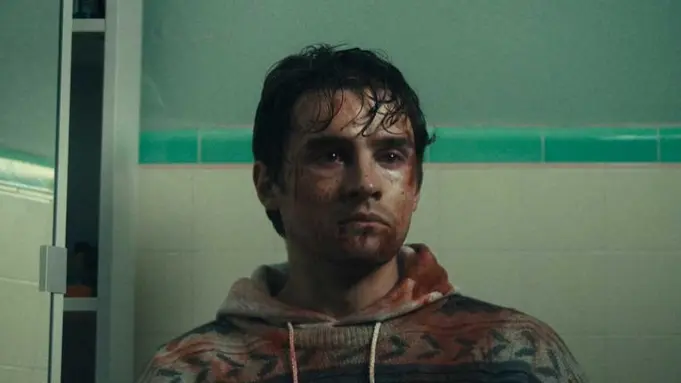
Beyond the economics, horror’s dominance is a reminder that it is one of the few remaining genres that genuinely benefits from a packed cinema.
It has been reported that Gen Z moviegoers watch horror regularly, treating a night at the cinema as a shared, social event. The gasps, shared laughter, and collective tension of a dark theatre simply cannot be replicated on a laptop or living room television.
As 2026 has proven, when you give original nightmare concepts the room to breathe in cinemas, audiences will show up in droves—and keep coming back.
For more updates on all things cinema, subscribe to The Reader.