How to Spend One Day in Vancouver: From Granville Island to Lions Gate Bridge


I'll be honest with you out of the gate. 12 hours isn't long enough to properly know a city, but if you get the sequence right, it’s more than enough to get a real feel for Vancouver.
When arriving in a city the size of Vancouver, it can be overwhelming trying to decide what to do, especially when working against a tight deadline. You’re dealing with a major North American city that somehow seamlessly blends glass skyscrapers with rugged coastlines and mountain backdrops.
25,000 steps later, I was left utterly impressed by the place (if you couldn't already tell). So if you only have 12 hours to spare, this is how to make every step count.
Stop 1: Granville Island
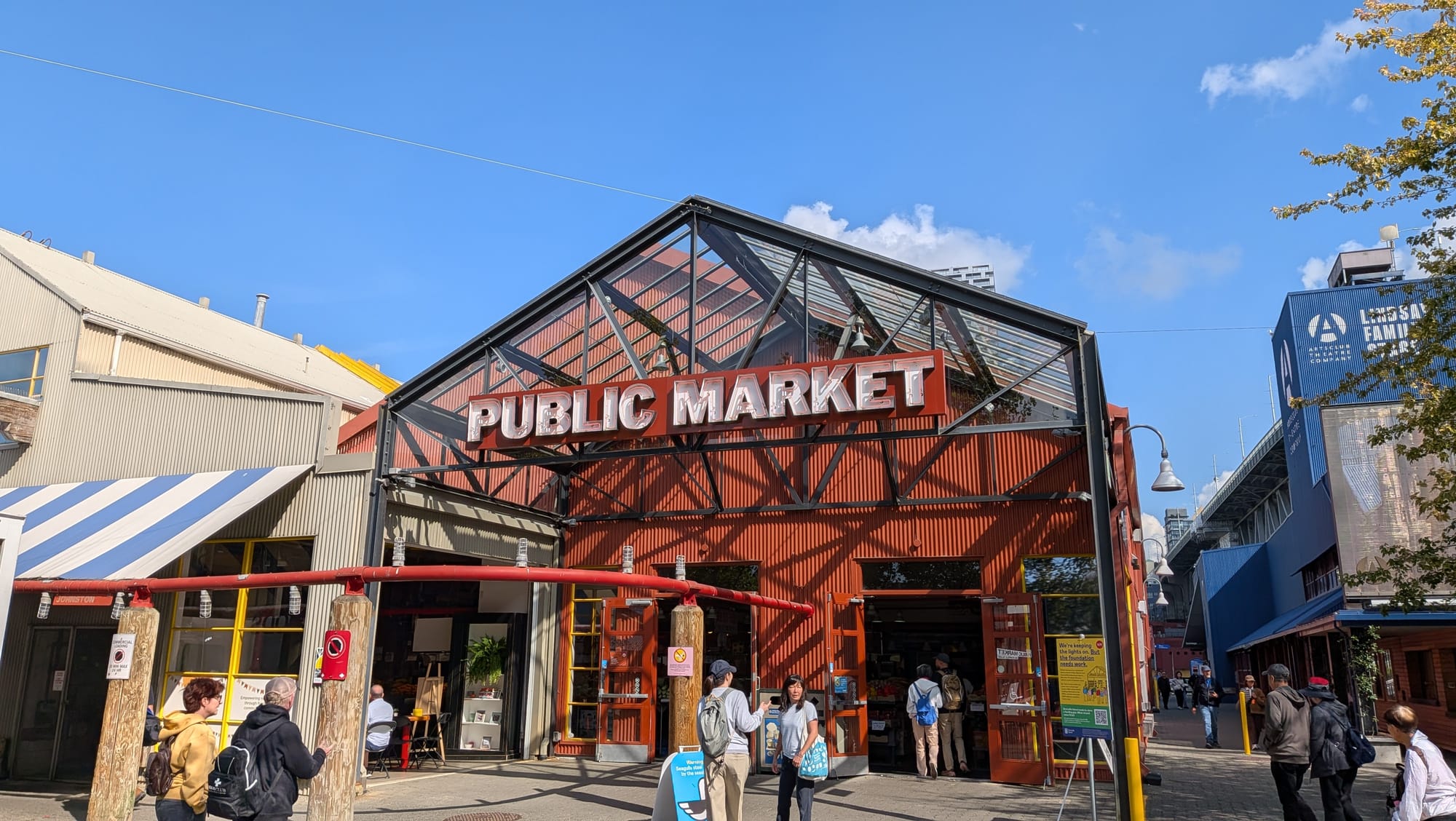
For my trip, I left Seattle at 9am and by the time we crossed the border and arrived in Vancouver, it was close to 12pm, so food was already on my mind, which made Granville Island the ideal starting point.
During the 20th century, this was an industrial powerhouse that was home to mining, construction, and shipping. Now it is an urban attraction which includes craft studios, restaurants, theatres, and shops, with the Public Market at the heart of it.
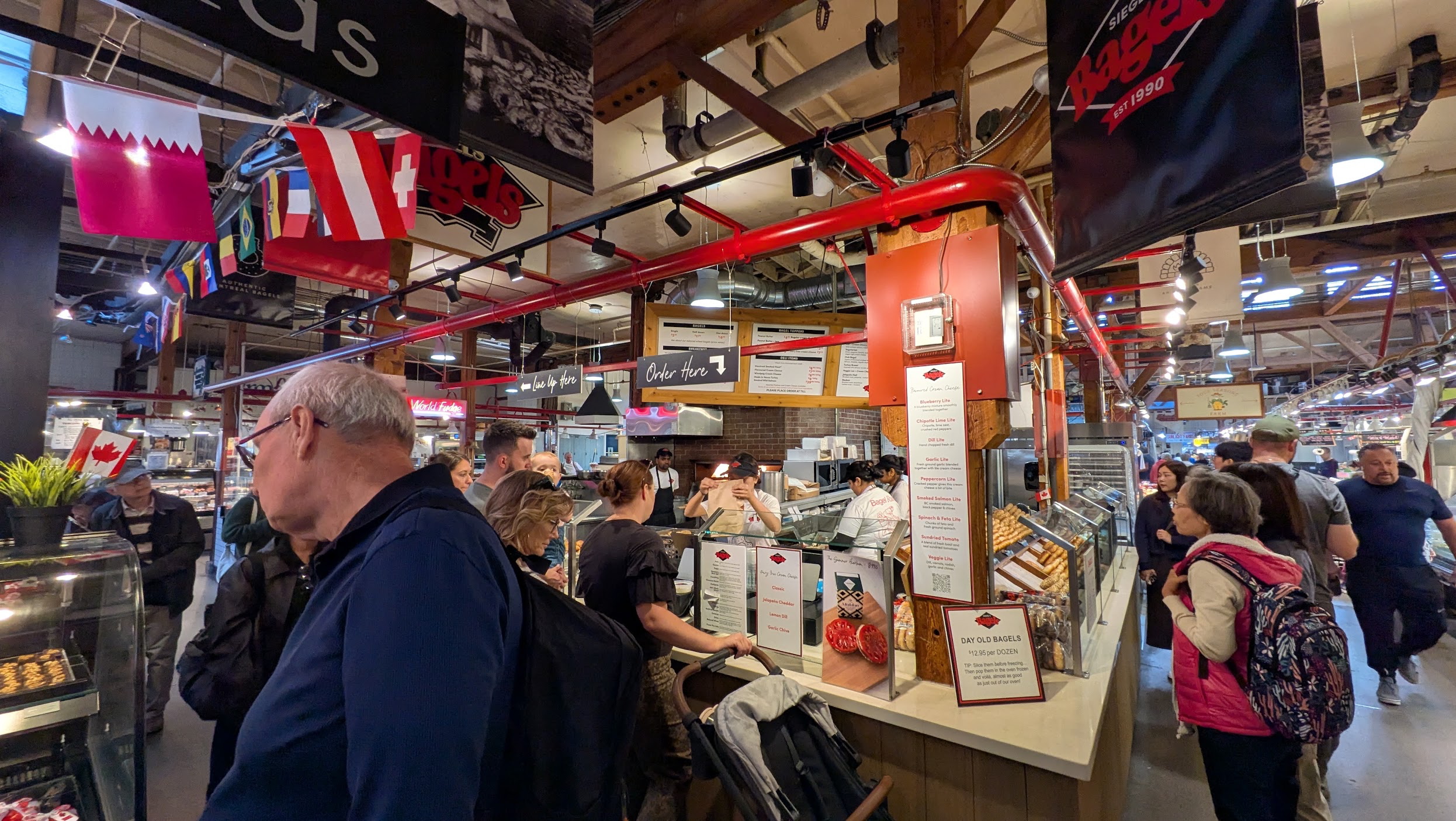
The Public Market hall is a sensory overload in the best way possible, a maze of local bakeries, fresh produce, and seafood counters. I was spoilt for choice when it came to choosing lunch, and after aimlessly wandering around and admiring all that was on offer, I grabbed a bagel from Kaisereck deli, which did just the job.
Once fed, the best thing to do is simply head outside and explore the surrounding area. Granville Island has character that separates it from the rest of Vancouver. From street art, local performers on every street, to even vines and ivy hanging from the underpass of the Granville Street Bridge, it feels distinctive and unique with plenty to explore.
If you want to get a true feel for how distinct Granville Island is from the rest of Vancouver, simply take in the harbour views from the water's edge, where you can see towering glass skyscrapers looking out over the Public Market.
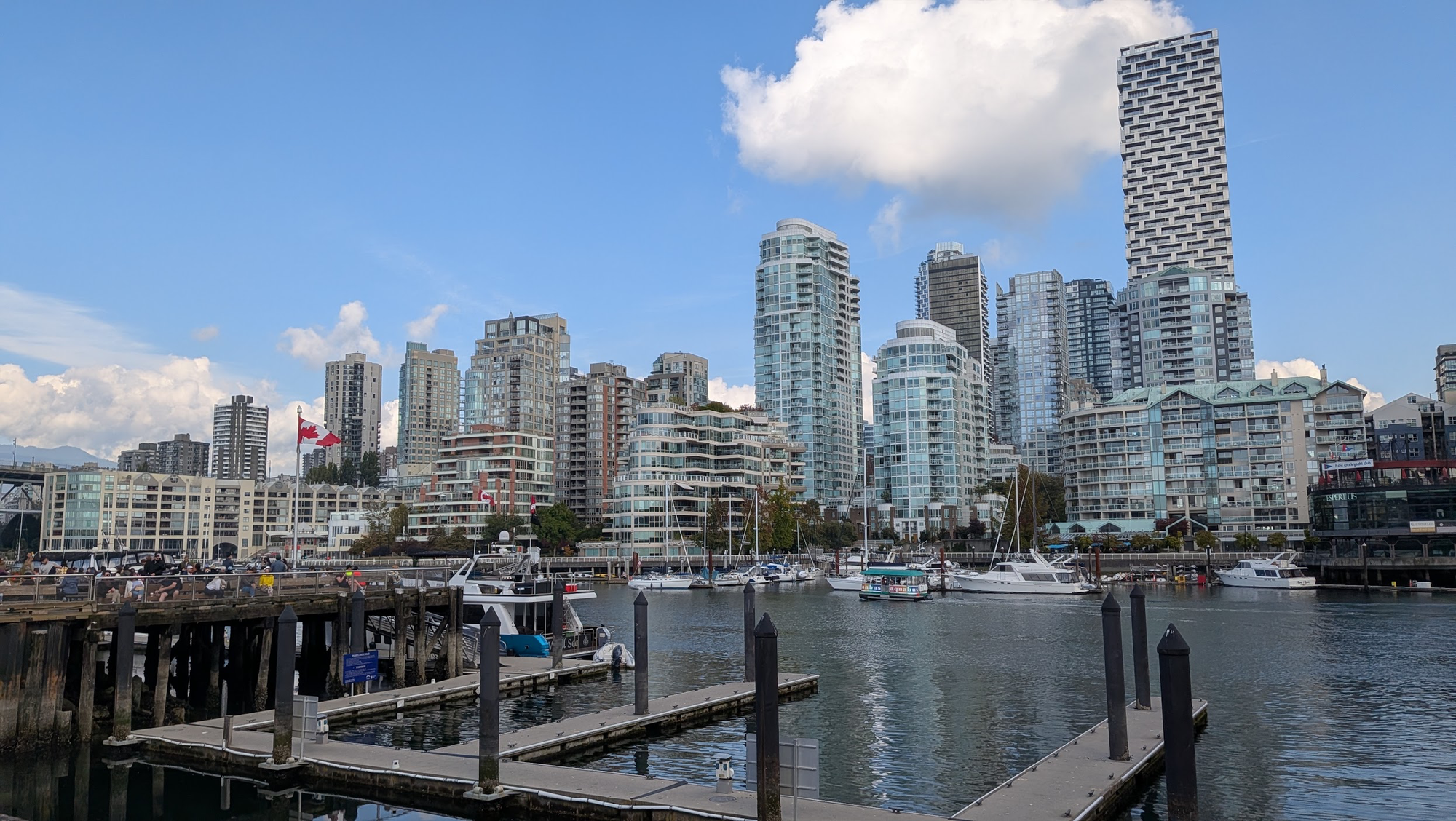
It’s the ideal way to start your trip: good food, local character, and a clear view of where you’re heading next.
Stop 2: Gastown
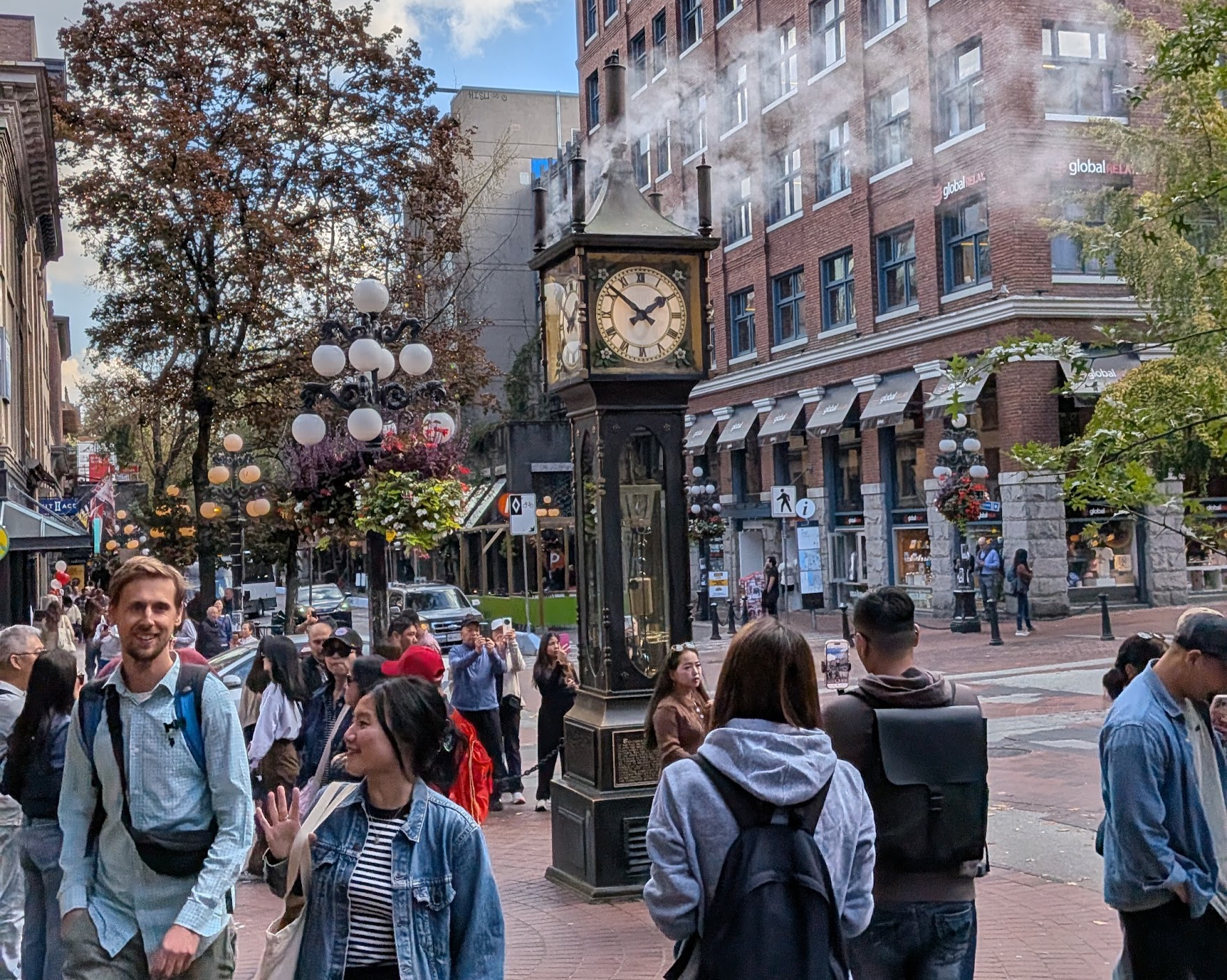
The next stop was Gastown (where the name actually has nothing to do with gas, but instead is named after John "Gassy Jack" Deighton, who opened the area's first saloon in 1867). Similar to Granville Island, this area has its own unique characteristics, despite being located in the downtown area. The cobblestone streets and brown brick buildings wouldn't look out of place in UK towns and cities. While this was the stop we spent the shortest amount of time at, it was still enough to soak in its historic charm and tick a couple of key items off the list.
First up was one of the main attractions of Gastown, the famous Gastown Steam Clock, which is one of only six functioning steam-powered clocks in the world. It releases steam every 15 minutes and makes people queue for the perfect Vancouver photo opportunity.
Around Gastown, there are plenty of eateries and shops to visit, but with the brief window we had, I grabbed a snack from Lee's Donuts, a local favourite that has also become a viral hit on social media. Despite not having a sweet tooth, even I couldn't say no to a Boston Creme!
It was a whistle-stop visit, but wandering down the cobblestone streets with a fresh doughnut in hand made for a perfect, brief second stop before moving on.
Stop 3: Canada Place
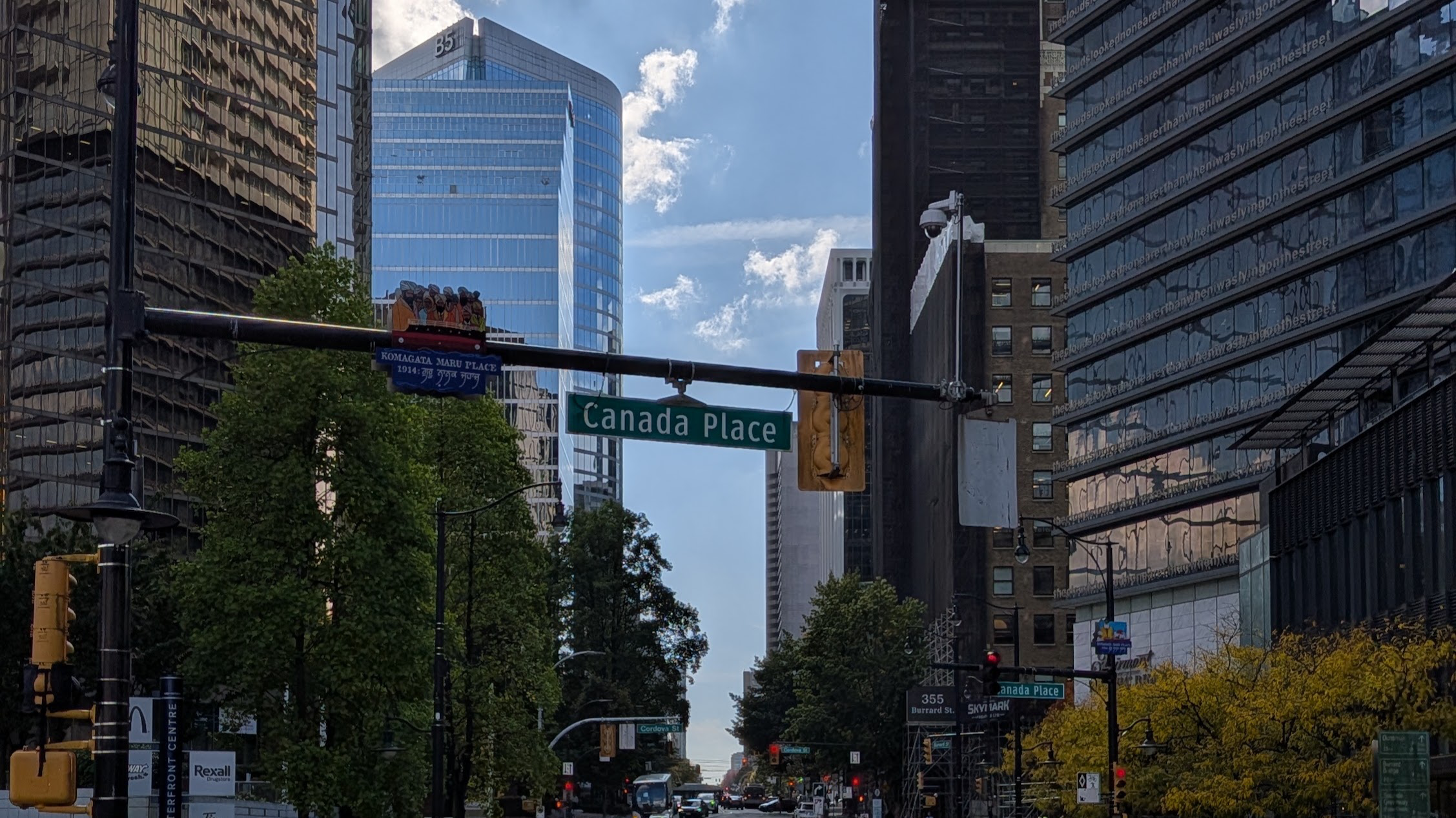
Just a 10-minute walk from Gastown, you reach the pier at Canada Place, where you transition instantly from a quaint historic neighbourhood to a promenade dominated by giant white sails separating downtown’s glass towers from the Pacific Ocean.
Originally built as the Canadian Pavilion for Expo 86, the complex now serves as the city’s cruise ship terminal and convention centre.
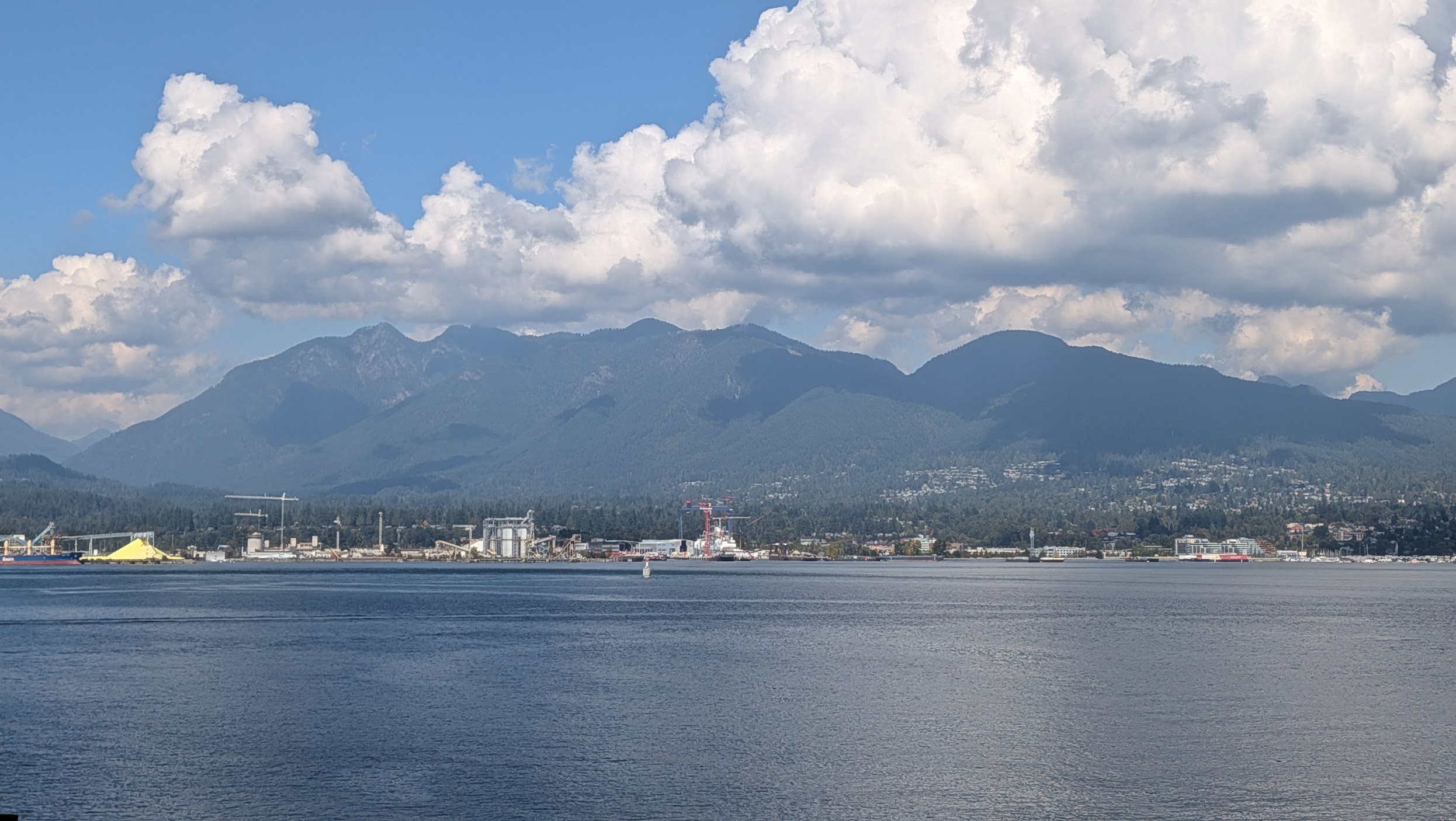
Out of all the stops, this was the one that left the most lasting impact on me. It sounds cliché, but the views across the water were breathtaking. Standing along the promenade and looking out at the outlines of Grouse Mountain, Cypress Mountain, and the tree-lined edge of Stanley Park is a perspective I won't forget anytime soon. I found myself stopping every 100 yards just to take another photo.
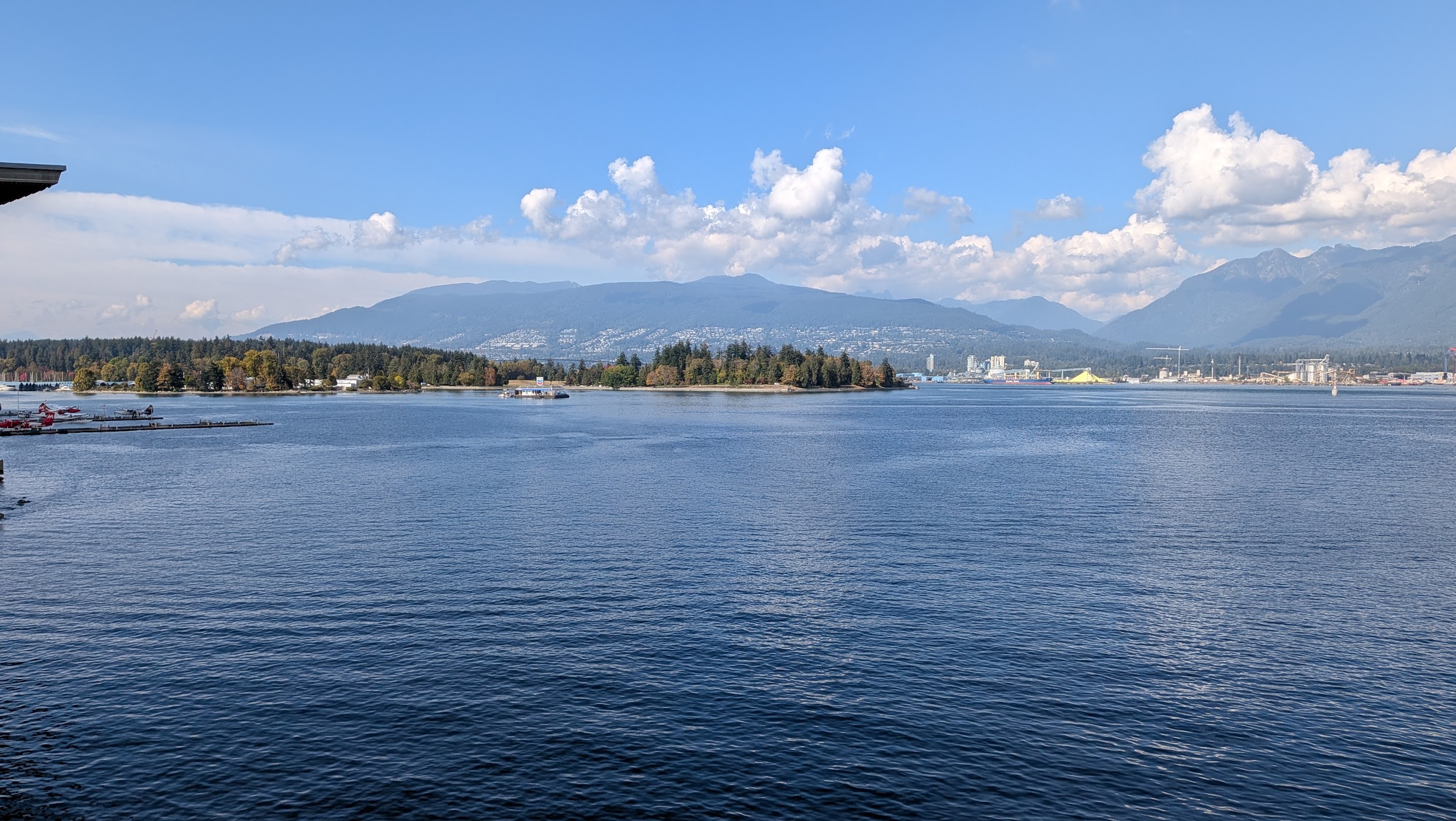
It’s an ideal spot to pause for five minutes, take in the scale of the landscape, and reset before starting the walk along the seawall toward Stanley Park.
Stop 4: Stanley Park
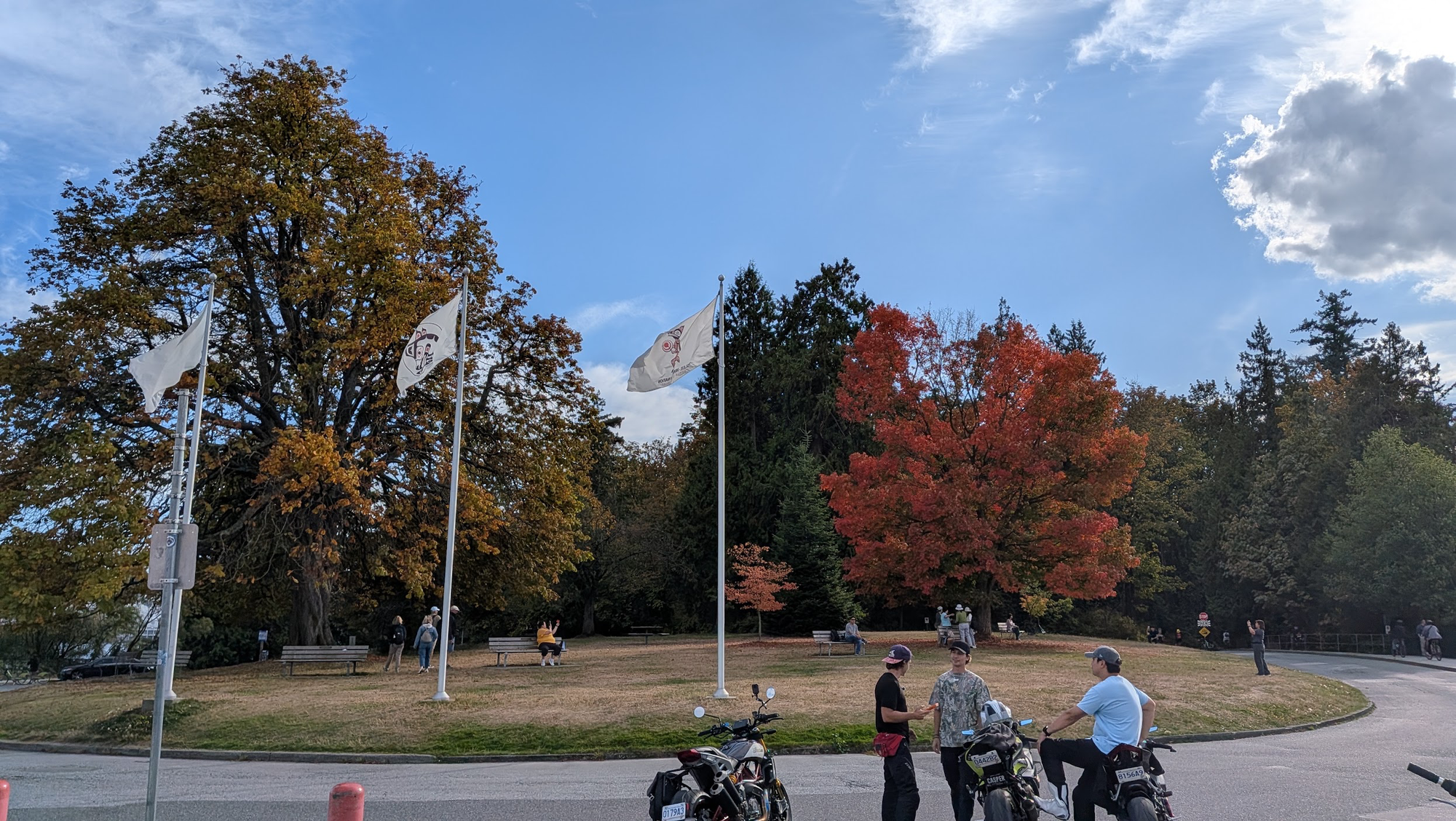
The final stop of the day was Stanley Park, a massive 1,000-acre historic rainforest jutting directly out into Burrard Inlet (which leads to the Pacific Ocean).
What makes Stanley Park special isn't just its size (it's roughly 20% larger than Central Park), but how dramatically it shifts the atmosphere of the day. Within ten minutes of walking along the paved Seawall, the glass high-rises disappear and are replaced by towering coastal redwoods and the open expanse of the ocean. The Seawall loop wraps around the entire perimeter of the park, offering an easy, flat walk with constant views of the surrounding waters and mountains.
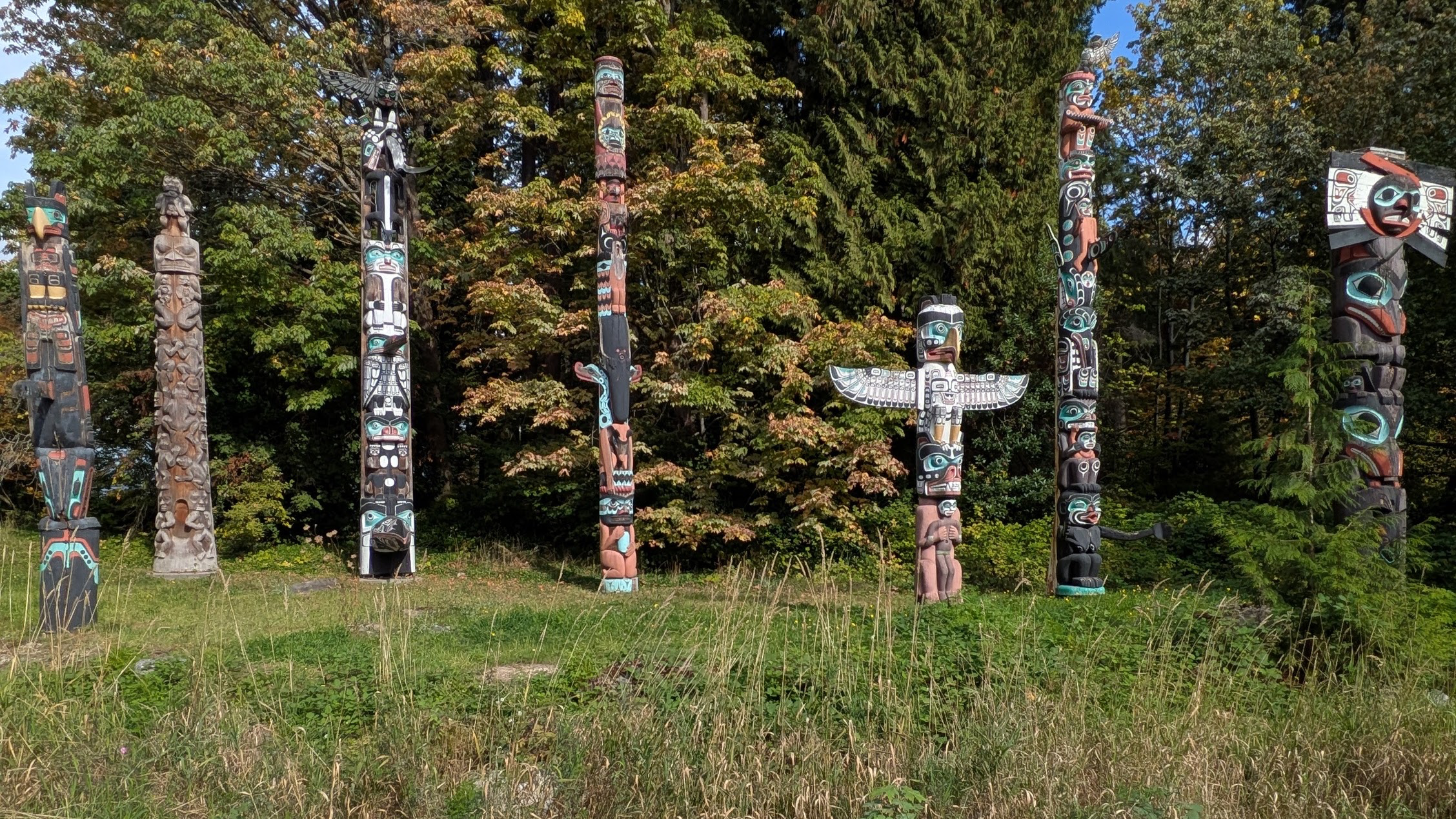
You could easily spend the whole day exploring, but due to tight time constraints, I could only see a fraction of what Stanley Park had to offer. One sight I did get to see, however, was one of Vancouver's most famous and culturally significant landmarks: the gathering of First Nations totem poles.
These intricate, towering carvings are impossible to miss. They represent a powerful visual of the history and rich artistry of the Indigenous peoples of the Pacific Northwest Coast. Each pole, carved and painted with figures and symbols, tells its own story of heritage and ancestry. It's a stop that asks you to slow down, if only for ten minutes, to appreciate the artistry of these works before continuing your walk.
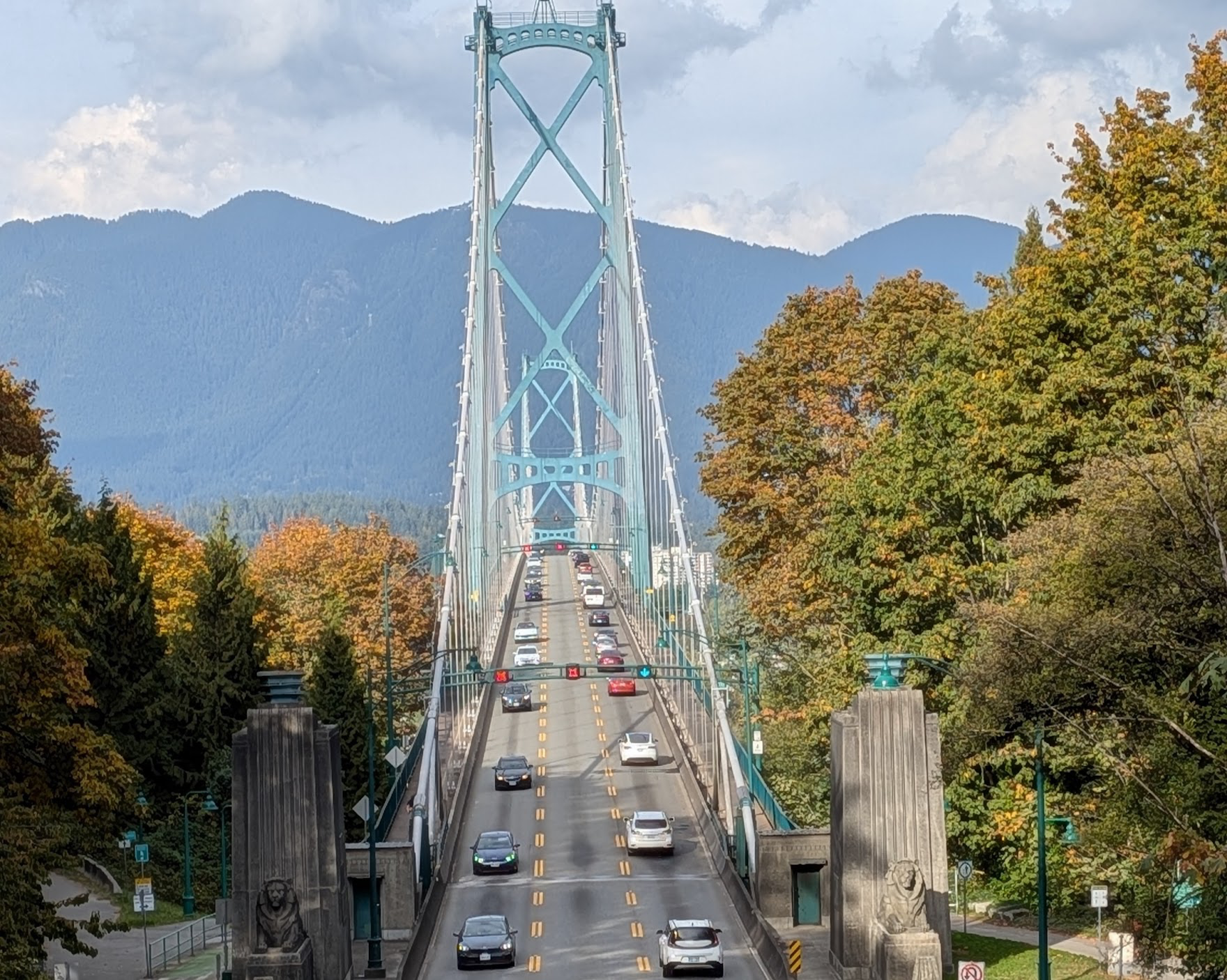
Continuing north along the water’s edge brings you to the crowning visual of the entire walk: the Lions Gate Bridge.
Named after The Lions, a pair of twin mountain peaks located north of Vancouver along the North Shore which are said to look like two reclining lions sitting on the horizon, this green suspension bridge provides an incredible scale to end the route.
The Lions Gate Bridge offers once again breathtaking views of the ocean, West Vancouver skyline, and sunsets to the west, and the Downtown Vancouver skyline, inner harbour, and Stanley Park to the east.
A single day in Vancouver will never cover everything. There are entire vibrant neighbourhoods such as Chinatown, beaches, and mountain trails like Capilano Suspension Bridge Park that have been left completely untouched on a trip like this.
However, a whistle-stop route like this gives you a brilliant feel for the place. You won't see it all, but you'll see enough to know exactly why you need to return.