Backrooms & Obsession: How Gen Z Filmmakers Are Disrupting Hollywood

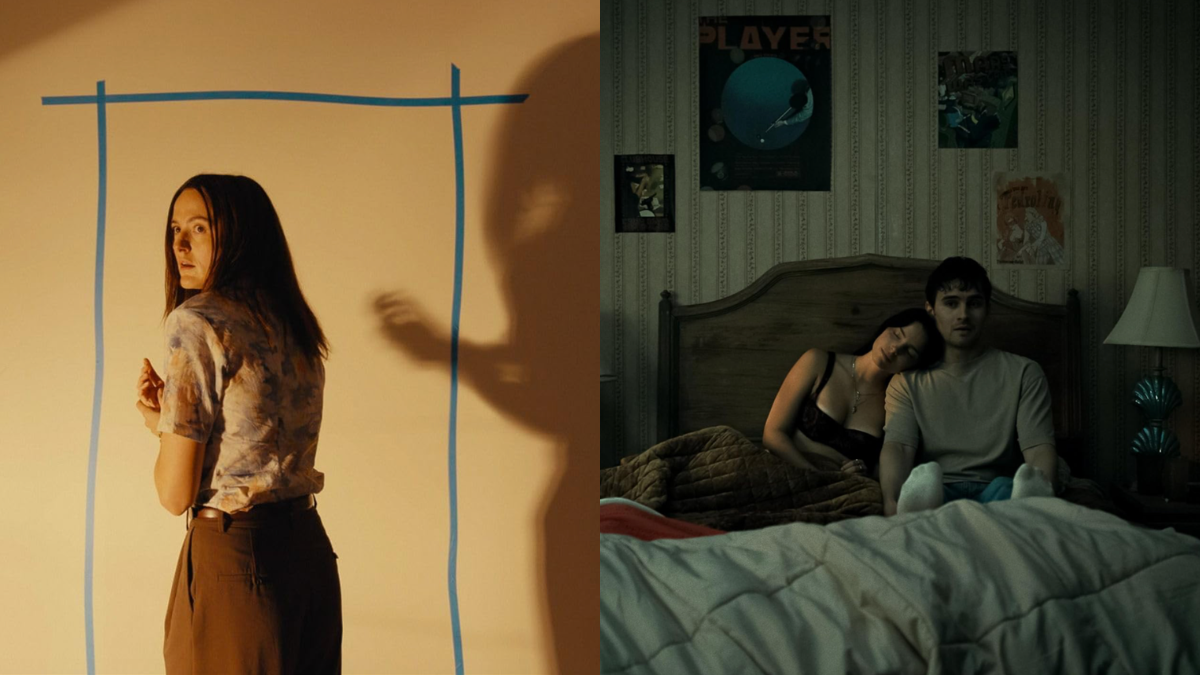
Typically, the path to directing a major studio feature was a gruelling, decades-long gauntlet of film school debt, festival circuits, and networking. But two young filmmakers have arrived to disrupt the system.
It's not unheard of for YouTubers or social media personalities to try and break into different industries. We've seen them crossover into sports, music, and entrepreneurship, all to varying degrees of success. Hollywood, on the other hand, has long felt like a much tougher industry to crack.
For example, siblings Michael and Danny Philippou had surprise horror hit Talk to Me (and recently released a sequel Bring her Back). While YouTube film critic Chris Stuckmann made the horror film Shelby Oaks, which actually generated festival buzz until it underperformed at the box office in late 2025.
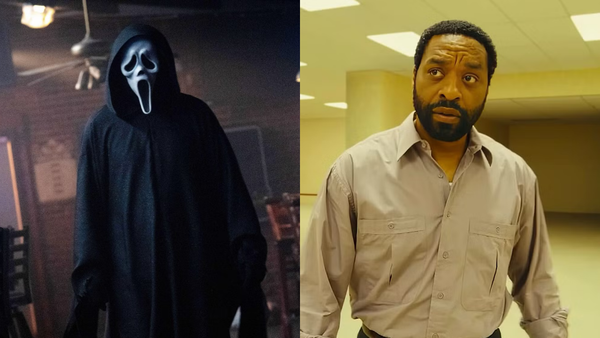
But 2026 has seemed to be a turning point, with two of the biggest hits of the year so far being created by two young filmmakers who started off on YouTube. Obsession (directed by Curry Barker) and Backrooms (directed by Kane Parsons) released within weeks of each other and have both become box office hits. As of writing, Obsession has grossed $155,781,315 (on a budget of $750,000), while Backrooms has grossed $126,181,301 (on a budget of $10,000,000) according to Box Office Mojo.
These are two directors who aren't asking Hollywood for permission, they are forcing Hollywood to come to them.
From algorithms to A24
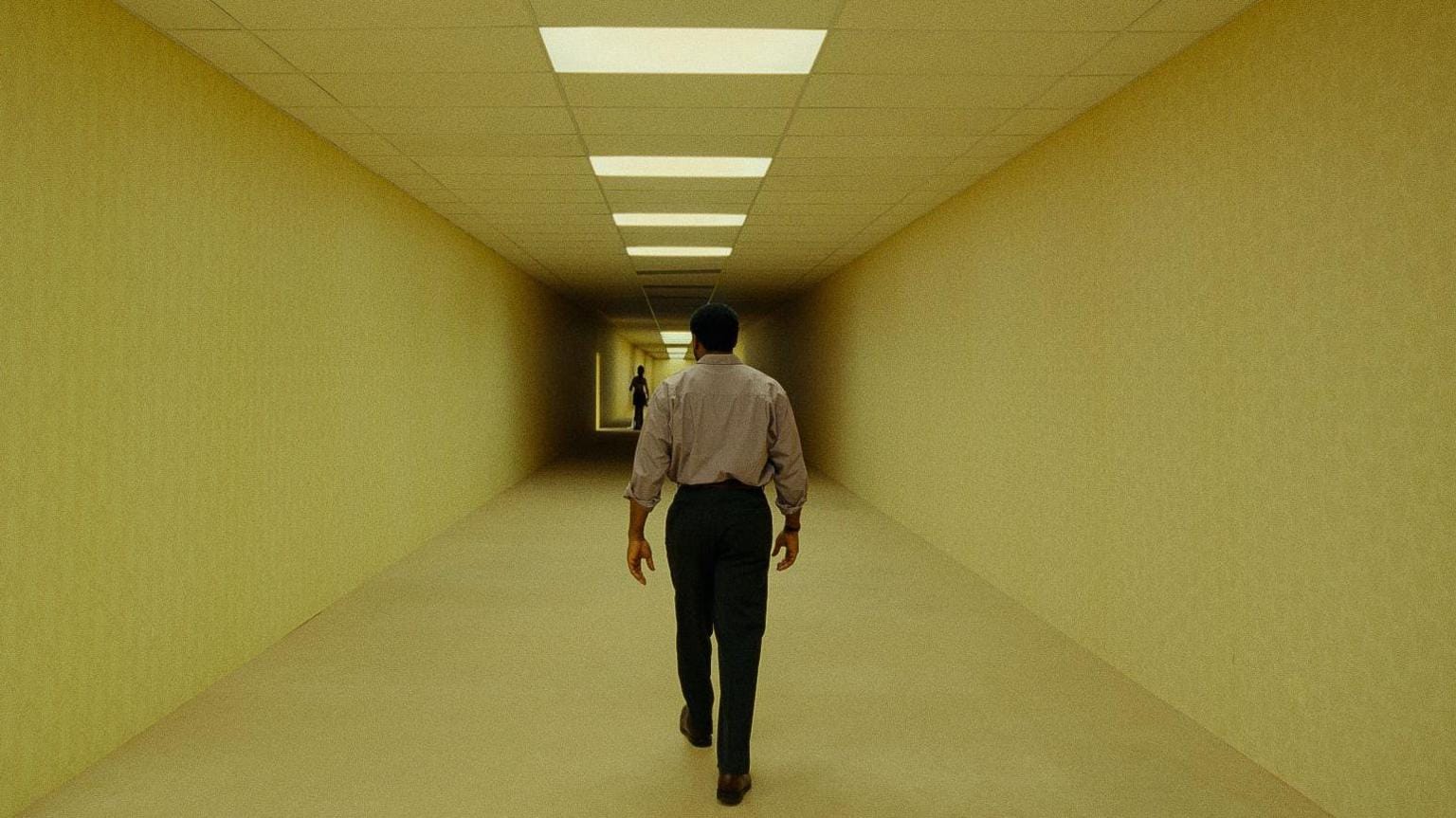
To understand the scale of this shift, one only has to look at how these project blueprints were drawn. Parsons was just a teenager when he uploaded The Backrooms (Found Footage) in 2022 under the moniker Kane Pixels. He utilised the 3D creation software Blender and a hyper-specific grasp of internet lore to create the first iteration of the now worldwide hit.
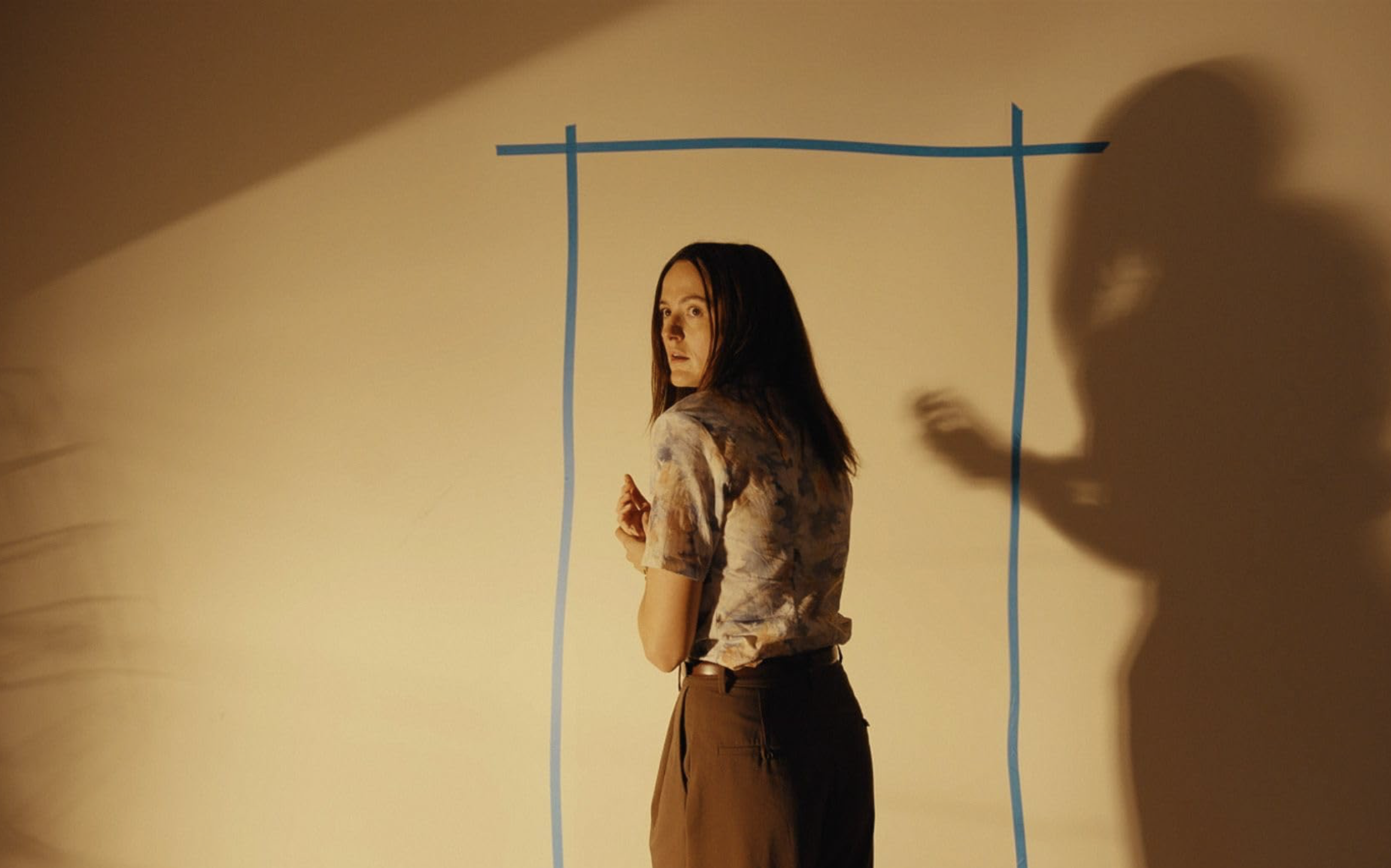
What began as a short, self-rendered viral sensation evolved under A24's backing into a psychological masterclass that proved internet surrealism could hold a theatre audience captive.
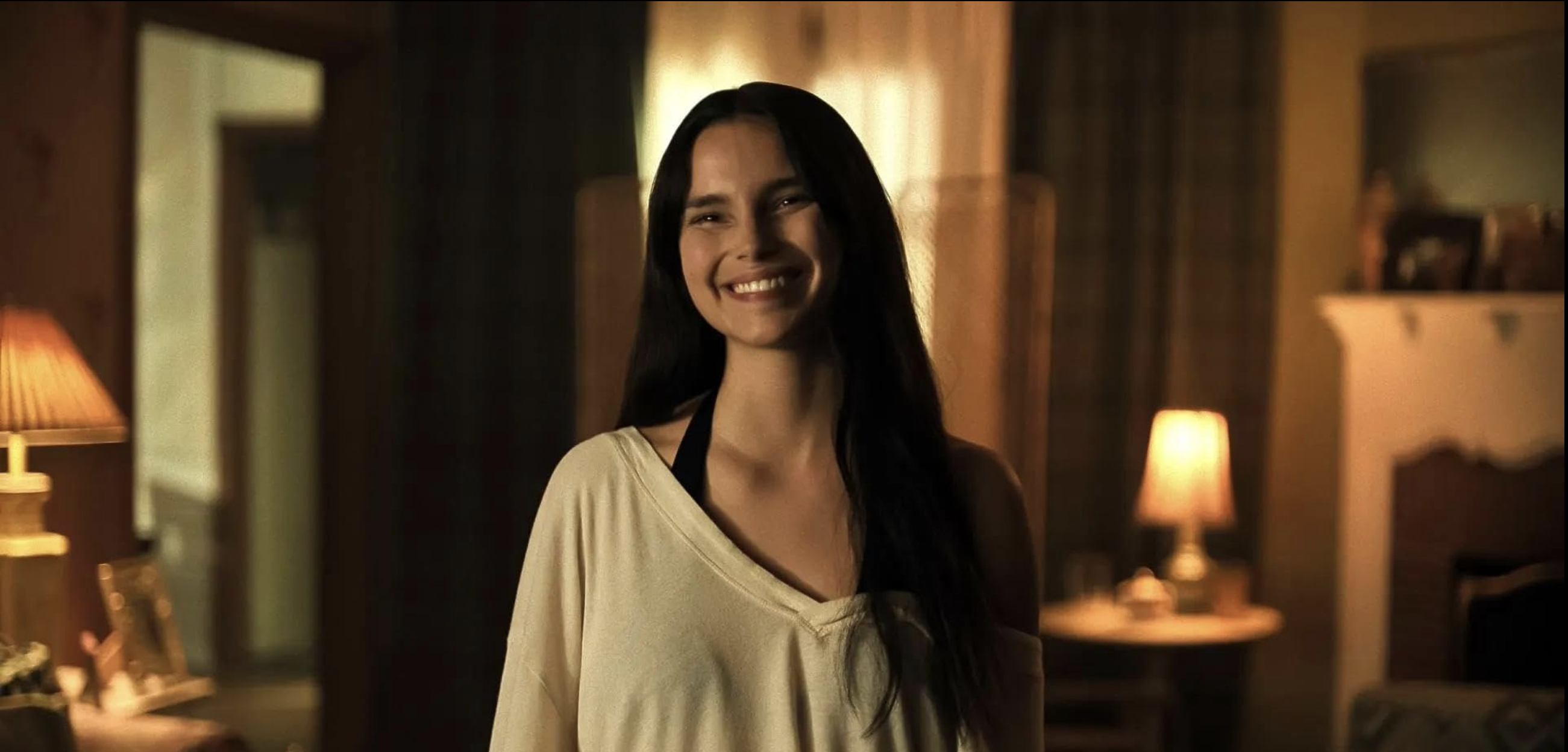
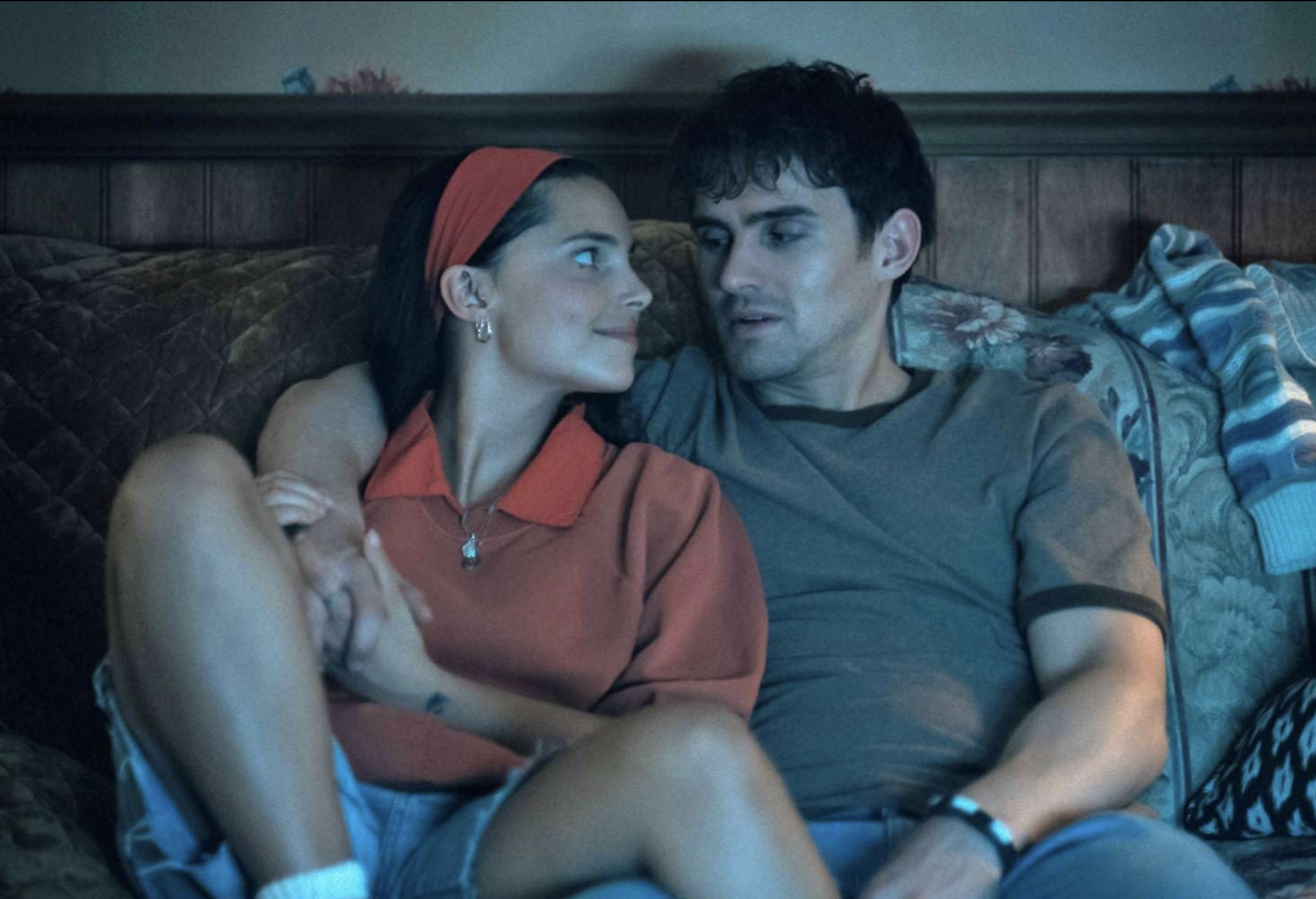
On the flip side Barker, who is one half of the popular sketch comedy duo that's a bad idea, used YouTube as a testing ground for tone and tension. Known for injecting unsettling, unpredictable horror into seemingly mundane comedy setups, Barker perfected the art of the sudden tonal shift in bite-sized videos before expanding his vision into Obsession, which follows a hopeless romantic who breaks a 'one wish willow' to win his crushes heart, but soon discovers that some desires come at a dark and sinister price.
Instead of relying on traditional Hollywood set pieces, both directors relied on an understanding of digital pacing and the psychological triggers of a generation that lives online.
Breaking the box office
In an era where a $200 million superhero blockbuster can struggle to break even, Barker’s Obsession pulling in over $155 million on a budget of $750,000 represents an almost unprecedented return on investment. It proves that the modern audience's hunger for original, auteur-driven storytelling far outweighs the demand for bloated VFX budgets.
Hollywood, predictable as ever, is scrambling to react. For decades, the industry's talent pipeline relied on checking traditional boxes: a series of gruelling assistant or runner jobs, or a lucky break at Sundance. Now, development executives are spending less time in indie theatres and more time analysing metrics and monitoring trending pages.
Studios are realising that the old development cycle, which would involve spending millions over several years just to get a script past the 'development hell' stage, is entirely redundant when a creator like Parsons or Barker can turn a viral hit to a box office sensation.
Bypassing the gatekeepers
What makes this Gen Z wave so disruptive is their complete financial and creative independence. In the past, a filmmaker needed an army of financiers just to get a camera package. This new generations requires nothing more than a computer, a stable internet connection, and a singular vision.
On YouTube, these directors built their own distribution, marketed their own work, and developed a direct, interactive relationship with their audience. They didn’t need a studio notes process to tell them what worked; their viewers analysed every frame on Reddit and Discord. When these filmmakers walk into a Hollywood pitch meeting, they aren't coming with just a script, they are coming with a proven proof-of-concept and an already established global fanbase.
The New Architecture of Cinema
Whether The Backrooms and Obsession shatter the box office or become immediate cult classics, the invisible wall protecting Hollywood’s elite has officially breached.
This isn't just about studios buying up intellectual property; it’s about a fundamental shift in who gets to tell stories on the big screen. Filmmaking tools are easier than ever to obtain and it has turned YouTube into the world's most innovative film festival, running 24 hours a day, free of charge. Hollywood didn't discover these Gen Z filmmakers, they simply woke up to the fact that the future of cinema was already being broadcast online.
To stay up to date with the latest content on The Reader, subscribe for free and never miss a thing!