The Great Return: Why 2026 is the Year the Box Office Finally Healed

For years, the narrative surrounding the movie theatre was shrouded in doom and gloom.
We were told that streaming had permanently broken our habits, that mid-budget movies were dead, and that the theatrical experience was something we only enjoyed before the pandemic.
Yes we've had billion dollar hits throughout the early 2020s such as Top Gun: Maverick, Barbie, and Deadpool & Wolverine, among others, but there has also been a growing number of box office bombs. This has resulted in concerning discussions throughout this decade over the future of cinema.
But midway through 2026, the data is telling a completely different story.
The box office isn't just recovering, it is roaring back to life. Driven by historically mega-franchises, massive biopics, and shocking original horror hits, 2026 is on track to deliver the highest grossing and most consistent year for cinemas since 2019.
With that in mind, let's take a deeper look into why 2026 is on track to being the most successful year at the box office since pre-covid.

The Numbers Don't Lie
Let’s look at the cold, hard data. According to mid-year reports from Gower Street Analytics, the global box office (excluding China) recorded its best June and its best second quarter of the entire decade. If we break this down:
- The Mid-Year Milestone: By the end of June, the domestic box office crossed $4.8 billion, running a massive 15% ahead of the same point last year.
- The Consistency Factor: For the first time in the 2020s, we aren't relying on a single, isolated phenomenon like Barbenheimer to keep theatres afloat. Audiences are showing up month after month. May and June both easily cracked the $1 billion mark domestically, proving that the moviegoing experience has shifted back from an 'event' to a regular weekly habit.
In short, the numbers prove this isn't just a temporary bump, this is a reinvested eagerness to see films on the big screen. With the domestic box office up 15% year-over-year to $4.8 billion, audiences are officially trading the occasional cinematic event for a regular weekly theatre habit. Whether it is a family day out or a date night, more people are regularly returning to the cinema.
Two Billion-Dollar Hits (And It’s Only July)
You can’t have a record-breaking box office without the kind of heavyweight blockbusters that demand the biggest screen possible. 2026 has already delivered two massive $1 billion global hits:
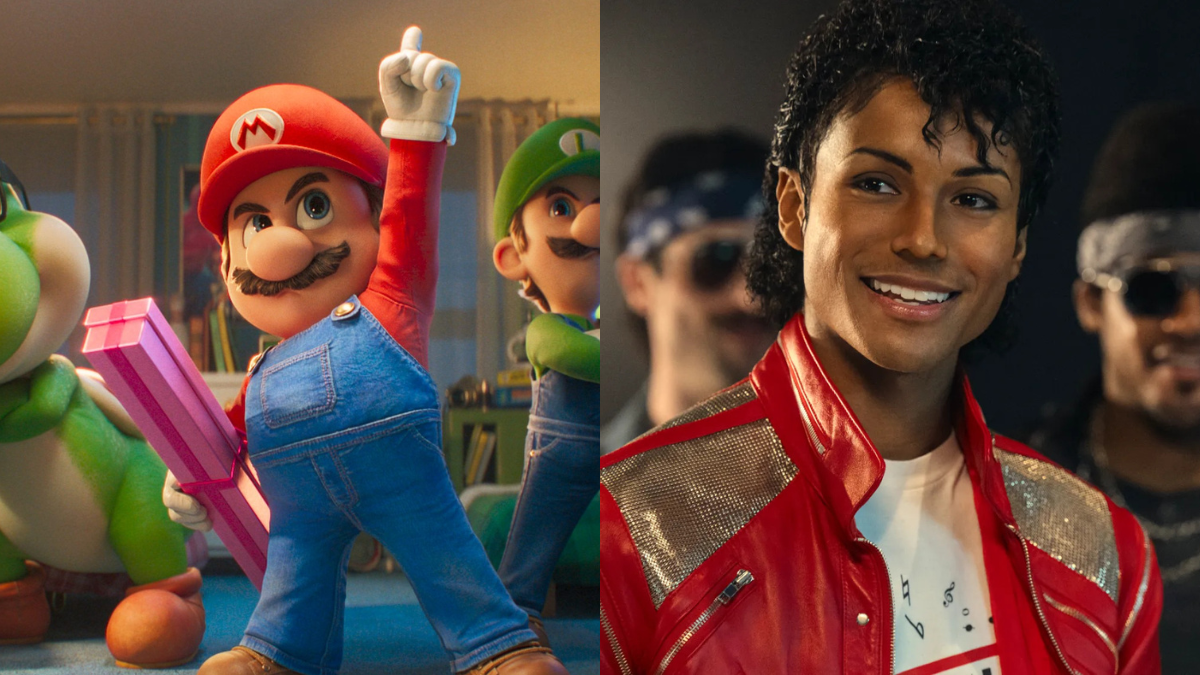
The Super Mario Galaxy Movie (Universal)
Plumbing its way to $1.01 billion worldwide, this animated sequel proved that video game IP is the new gold standard in Hollywood. In just two movies, The Super Mario film franchise has grossed just under $2.4 billion, proving that this franchise is all but a guaranteed success with moviegoers.
Michael (Lionsgate / Universal)
The highly anticipated Michael Jackson biopic didn't just perform; it made history. Grossing $1.001 billion, the film officially dethroned Oppenheimer to become the highest-grossing biopic of all time. Launching to a jaw-dropping $217 million global opening weekend, it proved that the appetite for massive, music-driven spectacles is higher than ever.
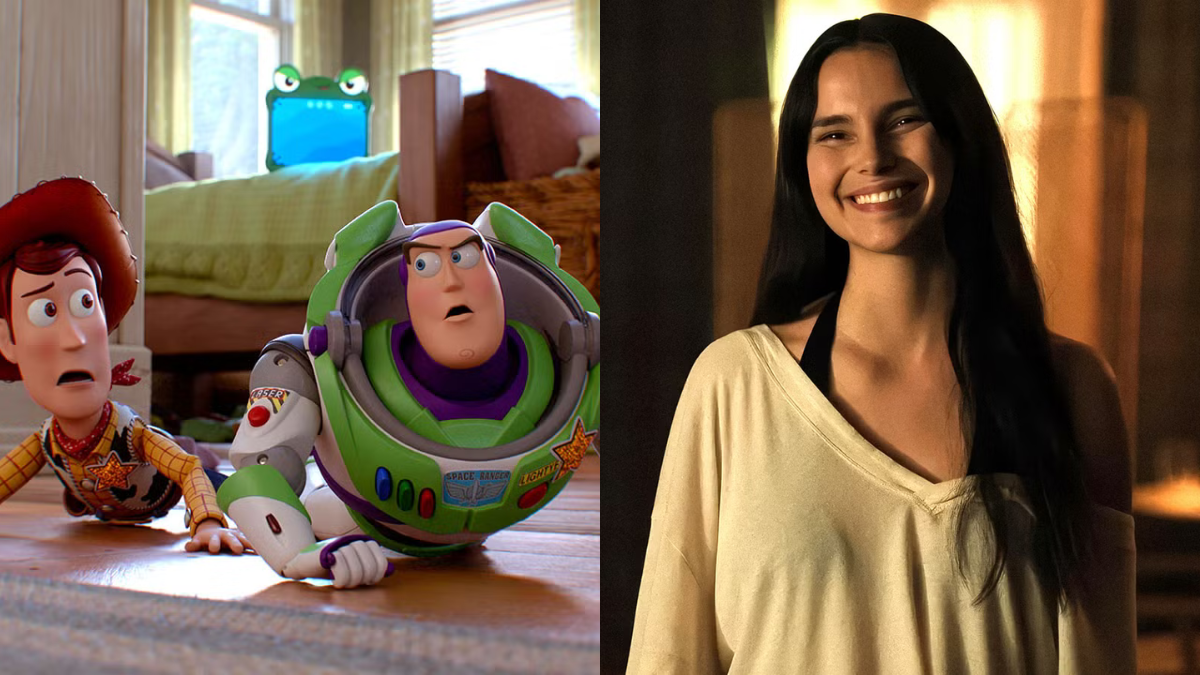
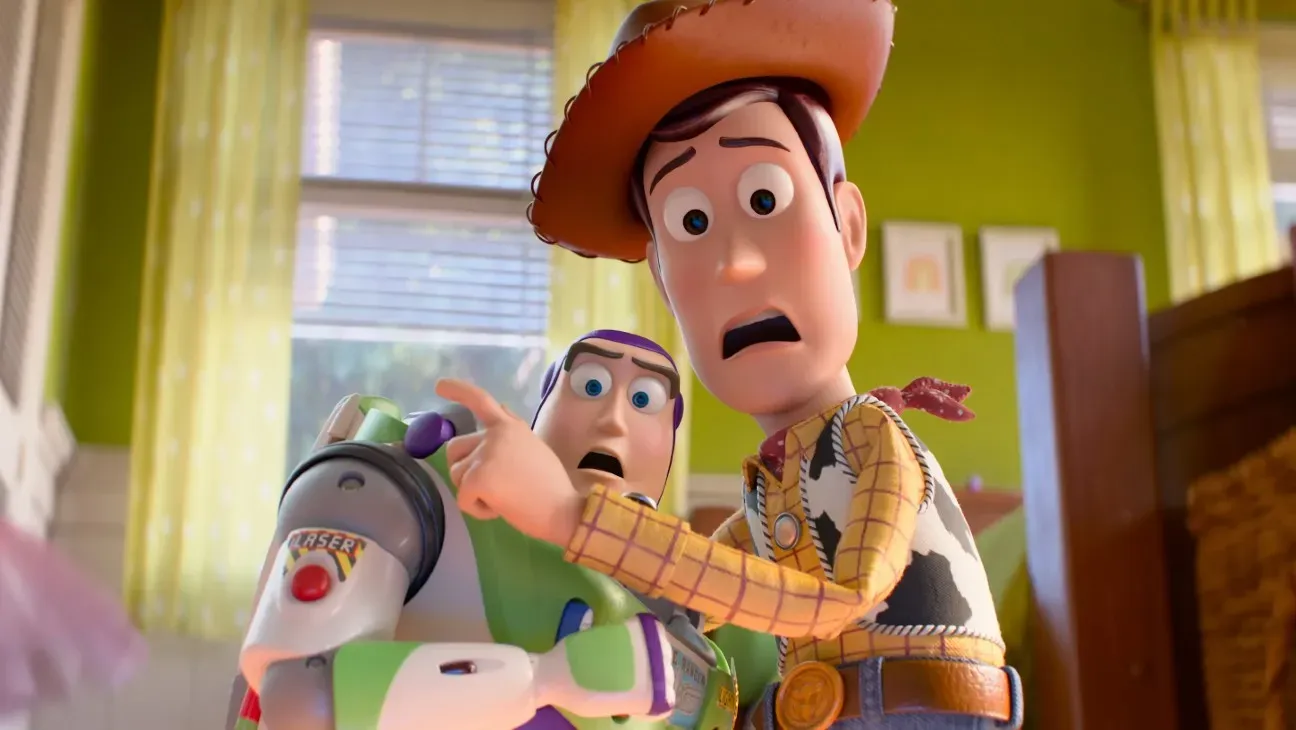
At the time of writing Toy Story 5 has yet to reach the billion dollar club (currently at $879 million), but it is certain to reach the milestone any day now, and will likely surpass both The Super Mario Galaxy Movie and Michael as the highest grossing film of the year. It is likely to hold this title for the remainder of the year, at least until a little known Marvel movie comes out on December 18...
The Return of the Original Hit
While franchises and biopics paved the way, the healthiest sign of 2026’s theatrical comeback is the triumphant return of original movies at the cinema. Audiences aren't just buying tickets for sequels; they are craving fresh, auteur-driven stories.
- The Sci-Fi Marvel: Phil Lord and Christopher Miller's adaptation of Project Hail Mary, starring Ryan Gosling, has pulled in an astronomical $683 million globally, a hugely impressive number for a non-sequel/non-franchise film.
- The Low-Budget Miracle: Focus Features’ micro-budget thriller Obsession has become a genuine phenomenon. Produced for a mere $750,000, it crossed $426 million worldwide, overtaking Enter the Dragon to become the highest-grossing film with a budget under $1 million (unadjusted for inflation).
- A24 Keeps Rolling: The internet-lore adaptation Backrooms secured a historic $118 million opening weekend, on its way to a $368 million global run, making it A24’s highest-grossing film of all time.
Whether it's a star-driven sci-fi epic or a micro-budget viral sensation, these numbers prove that audiences are now actively craving fresh, original stories alongside their summer sequels.

Why 2026 is Built to Last
Unlike previous post-pandemic years where a strong summer was followed by a barren autumn, the back half of 2026’s release calendar is incredibly stacked.
With the upcoming release of Christopher Nolan’s historic epic The Odyssey and Marvel's Spider-Man: Brand New Day swinging into cinemas, these two films are set to dominate the late summer. Heading into autumn and early winter, viewers are looking at a highly consistent, final stretch to the year with films such as The Hunger Games: Sunrise on the Reaping, Focker-in-Law, and Resident Evil all set to make an impact on the box office.
Then on December 18, we have a cinematic heavyweight matchup for the ages, with two of the most highly anticipated films in recent time dropping on the same day. Avengers: Doomsday and Dune: Part Three both look to give moviegoers a cinematic treat the week before Christmas. Having already been given the appropriate nickname Dunesday, these two films look set to compete (and probably surpass) the legendary Barbenheimer weekend of July 2023.

The message is clear: the multiplex isn't going anywhere. Audiences still want the shared, dark-room experience of a cinema, they just needed the movies to justify the trip. In 2026, it looks like Hollywood has finally delivered.
For more updates on all things cinema, subscribe to The Reader.